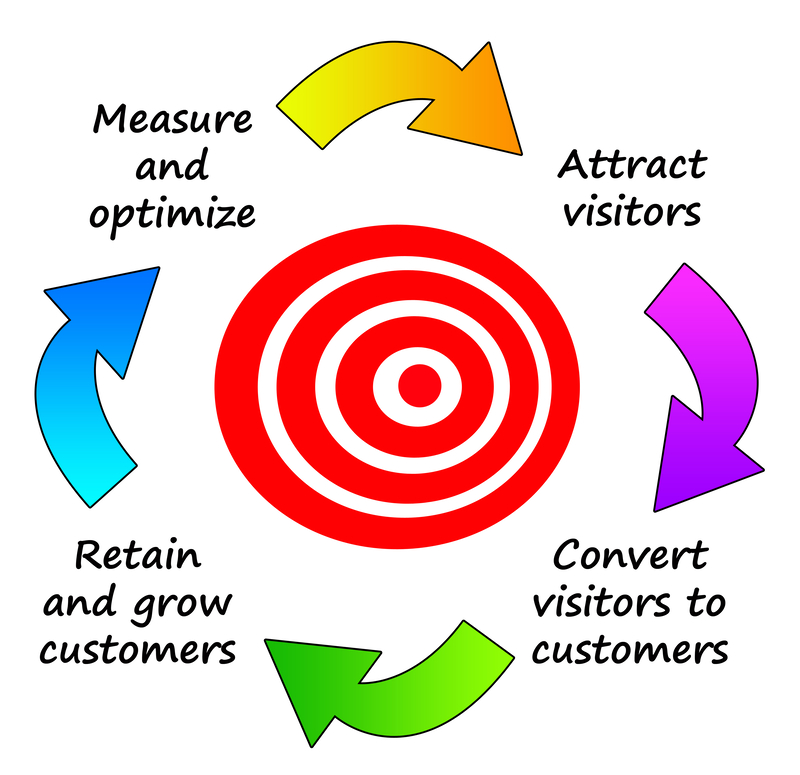
Is your regen food brand reaching millennials? Is your marketing meeting them where they are and pushing their buttons? If you’re a millennial with a cool new twist on nutrition, how are you presenting that idea to mainstream foodies like you?
The success of the entire food chain depends on the end consumer. That’s no big surprise. That consumer, in today’s world, is 21% Millennial. That’s a huge percentage of the buying public. And they have a lot of buying power, upwards of $600 Billion. That’s folks born between 1981-1996. They’re the new young professionals.
How is marketing to them different than previous generations? They’re the first generation to grow up with social media and the notion that everything is available immediately. Convenience is a key motivator for action. But it’s not the primary one.

Yummy Matters - Food has to be Tasty
According to many surveys (if you want the links, I have them), millennials want their food to taste good. How important is taste? In an IFIC (International Food Information Council) study in 2023, 87% of respondents said taste was a major consideration. The other biggies?
- price
- convenience
- healthfulness
- sustainability
Note where sustainability lands. Important but not the prime motivator.
In an inflationary market, price and economic uncertainty motivate 76% of people questioned. That means that even if your product is tasty if it’s “perceived” to be too expensive it’s a pass.
Price point counts. Does it count the same for everyone?

Healthy Food Choices
Paradoxically, finances don’t matter for most Americans’ nutritional food purchasing decisions. Even the wealthiest Americans average only 53% of the recommended daily nutritional intake. But it’s even worse the poorer the citizen. And this cuts across all generations.
For millennials, higher prices sometimes translate into making less healthy choices. Even though they believe food choices affect their overall health, it’s hard to justify the extra expense. Food choices changed after the COVID-19 pandemic. With more at-home eating, millennials and GenZers learned how to cook. As we move out of that era, comfort foods that also have nutritional values are go-tos for Millennials and GenZers.
Both these generations report more stress than their parents or grandparents. Is comfort eating a trend we’ll see more of in the future? Pizza (usually with meat-free sausage or pepperoni), tacos, and fried chicken are the three main comfort foods that have survived the Pandemic.
Many millennials identify as meat eaters or flexitarians, but plant-based foods are becoming a greater percentage of the diets of younger Americans. This doesn’t bode well for the meat industry, but other segments of the food chain stand to benefit. Plant-based proteins such as hemp, quinoa, and chia seeds are seeing increases in the food market share. All of these seeds have impressive nutrient profiles, so it’s not just about the protein.
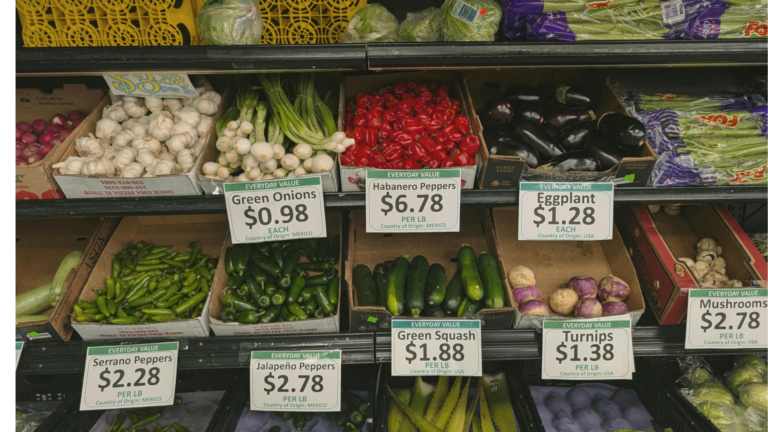
Marketing Tasty and Convenient
Price matters, of course. But if food doesn’t taste good, millennials (or any other consumer, for that matter) won’t be back for more. To create brand loyalty – yes, millennials are brand loyal, you have to offer something yummy, convenient, and at a fair price point.
This is where marketing sustainable and regenerative becomes sticky. Big Ag and Big Brands are aware of the price point vs nutrition dilemma consumers face. Nestle, General Mills, Kellogg, and even Mars and McDonald’s are supporting regenerative agriculture. The labeling on their products says so.
This makes it confusing for consumers to know what’s going on. It looks like Big Food brands are on board for planetary healing. Consumers have to look closely at labels – and even websites – to check the actual dates, acres, practices, and prescriptions these brands are talking about.
Big Brands have the “tasty” part down with lots of sugar and salt as additives. But these are ingredients millennials are trying to cut down on. And they’re label readers. There is an opportunity here for small regen brands to take market share.
Ask yourself: Is your regenerative product tasty, convenient, AND at a comparable price point to high-end conventional or organic? You can’t compete with the low end of the conventional food spectrum. That shouldn’t be a goal. If you’re paying a fair price to farmers, then your product automatically costs more. This is an opportunity to educate consumers about WHY some foods are so cheap. And why cheap isn’t really cheap.
Paying fair wages to farmers won’t create a sale. But a tasty product that’s convenient, nutritional, and has a great back story will be appealing to consumers. Where do you find those consumers?

How Do You Find Your Market and Push Their Buttons?
You have to meet them where they’re at. Where do you see the majority of young adults spending their time? If you said anything other than “on their phones,” you’re not hanging with a very representative millennial population.
How do you market to folks who have an attention span of 3 seconds? You use social media that points back to a content-rich website. Think of social media as a trailer for a blockbuster film. Make that a film that can only be seen in a theatre and won’t be streaming anytime soon. Like Dune: Part Two, for example.
The impact of social media on the lifestyles of millennials and Gen Zers can’t be overstated. But the quantity of information, often contradictory about foods, causes confusion and doubt in consumers’ minds. Marketing regen brands has to be spot-on and push all the buttons: taste, cost, nutrition, and sustainability. In that order.
The social media channel where most millennials say they get food information is Facebook (IFIC), yet most young professionals also don’t trust that source. Social media gives millennials information about food and nutrition, but where do most young professionals turn for cooking ideas? Friends, parents, and old-fashioned printed cookbooks are the sources most used for meal planning and cooking tips.
Does that mean that family recipes are being passed down through the generations?
The short answer: maybe. The days of cooking with lard (if you’re old enough to know what that is) are over. Plant-based cooking oils and plant substitutes for meats are changing eating habits in families.
Scrumptious Words Equal Scrumptious Food
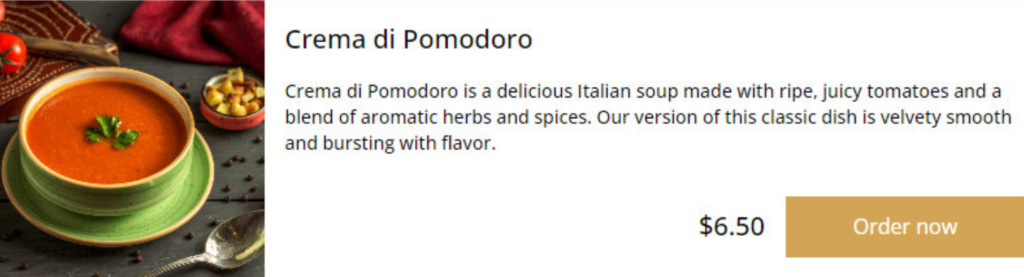
The taste of food and how it’s described make a huge difference in gaining market share. A study with college students found that:
“…decadent-sounding labels call out flavor profiles and taste experience such as ‘twisted citrus glazed carrots’ and ‘ultimate chargrilled asparagus,’ can nudge people to consume more vegetables than they otherwise would.”
When the focus is always on the nutritional value of food, doesn’t that remind you of your parents saying you had to eat all your broccoli? Not because it tasted good, but because it was good for you. How did that go down? Have humans changed?
How can marketers and regen brands use this information? There are a few takeaways from research like this.
- Yummy is more important in the moment than the environment
- A positive eating experience leads to repeated behaviors
- More of a decadent-named food on a plate is eaten than a healthy-named one
- If the name is good, the food must be good
Lesson learned here. When we’re describing our products, think about what the consumer is most interested in first – then put that first. And that’s always tasty.
But yummy broccoli? Really? Here’s broccoli, salt, and pepper from AI:
Diamond-Dusted Broccoli Spears
Midnight Velvet Broccoli Bites
Whispered Pepper Broccoli Medley
Salted Stardust Florets
Describing the flavor medleys creates pictures that get the digestive system going. We can create feelings of hunger that only our products can satisfy. We can solve the millennial dilemma of taste vs nutrition by giving both.

It’s not about HOW it’s produced, but HOW it impacts the consumer’s daily life. We’re trying so hard as producers and processors to be environmentally conscious that we’re often losing sight of the bigger picture.
Developing a spectacular product is the easy part. Getting it into the hands of mainstream consumers is the trick. Until we get so we can do that trick, Big Business will continue to dominate the marketplace.
And the trick is simply to think of ourselves as our market. If we were only interested in ourselves (and that’s 99.99% of us most of the time), what benefits do we want from something? What problems are we trying to solve? If we’re hungry, what mouthfeel are we looking for? Only secondarily are we interested in HOW that great-tasting food was produced.
Does this perk your interest? How would you describe your planet-healing products so consumers relish the benefits? Those descriptions are critical for your company to experience sustainable growth. Our marketing strategies can propel your business to the next level. Contact us today. Why wait?