Get Found. Be Trusted. Get Chosen.
The path to growth is simpler than you may think.
People need to find you. They need to trust you. And they need a clear reason to choose you.
That’s the foundation behind every resource you’ll find here.
Improve your website, refine your message, increase your visibility in search.
You can grow by using these guides and tools, no gimmicks or marketing noise.
Just practical insights that help turn attention into trust and trust into action.
Featured Resources
Get Found
You’ve invested in your products, your research, and your website.
But when producers search for solutions online, are they finding your company or your competitors?
Many soil health companies lose opportunities simply because they’re difficult to discover during the research phase.
This assessment helps you evaluate how easily potential customers can find you through search engines, AI-powered search, and online research.
✅ Discover where you’re visible
✅ Identify missed opportunities
✅ Learn how customers find soil health companies
Featured Resource
Can Producers Find You Online?
Download the Checklist -link to pdf
Be Trusted
Imagine a farmer, rancher, crop consultant, or dealer visiting your website for the first time.
Would they see enough evidence to trust your products, your expertise, and your recommendations?
Many agricultural companies unknowingly create doubt by making visitors work too hard to find answers, proof, and credibility.
This practical review helps you evaluate your website through the eyes of a potential customer.
✅ Assess credibility and trust signals
✅ Evaluate proof points and field results
✅ Identify questions your website isn’t answering
Featured Resource
Would You Trust Your Own Website?
Download the Review Guide -link to pdf
Get Chosen
If your website gets visitors but few inquiries, the problem may not be your products.
It may be the way potential customers experience your website.
Farmers make decisions differently than marketers. Before they call, they need confidence, proof, and a clear understanding of what happens next.
This assessment helps identify the friction points that prevent interested visitors from becoming conversations.
✅ Determine where visitors lose confidence
✅ Identify barriers to action
✅ Learn what encourages more inquiries and quote requests
Featured Resource
Why Aren’t More Producers Calling?
Download the Assessment – link ot pdf
Insights & Articles
-
Regeneration Scales by Replication, Not Expansion
Key Points Regeneration can’t survive inside industrial systems — industrial agriculture absorbs the language of regeneration while discarding the practice, because it’s built for uniformity, speed, and extraction. Regeneration scales by replication, not expansion — healthy systems grow through many small, place‑rooted iterations, not by getting bigger or more centralized. Place‑based, community‑anchored economies are the…
-

Marketing Regen Food Brands to Millennials
Is your regen food brand reaching millennials? Is your marketing meeting them where they are and pushing their buttons? If you’re a millennial with a cool new twist on nutrition, how are you presenting that idea to mainstream foodies like you? The success of the entire food chain depends on the end consumer. That’s no…
-
How Major Brands Will Dilute Regeneration (If Allowed)
As regenerative agriculture gains cultural and economic value, major brands are moving quickly to adopt the language. This is not a sign of alignment. It is a sign of risk. When a term becomes valuable, the dominant system absorbs it, redefines it, and uses it to reinforce its own logic. This is the pattern that…
-
The Disconnect Holding Regenerative Agriculture Back
A global shift is underway in how we grow food, restore ecosystems, and think about health. Regenerative agriculture—once a fringe idea discussed among soil scientists, homesteaders, and a handful of pioneering farmers—has become a movement with global momentum. Major brands are investing billions. Healthcare systems are turning toward food‑as‑medicine. Consumers are searching for authenticity, nutrient…
-
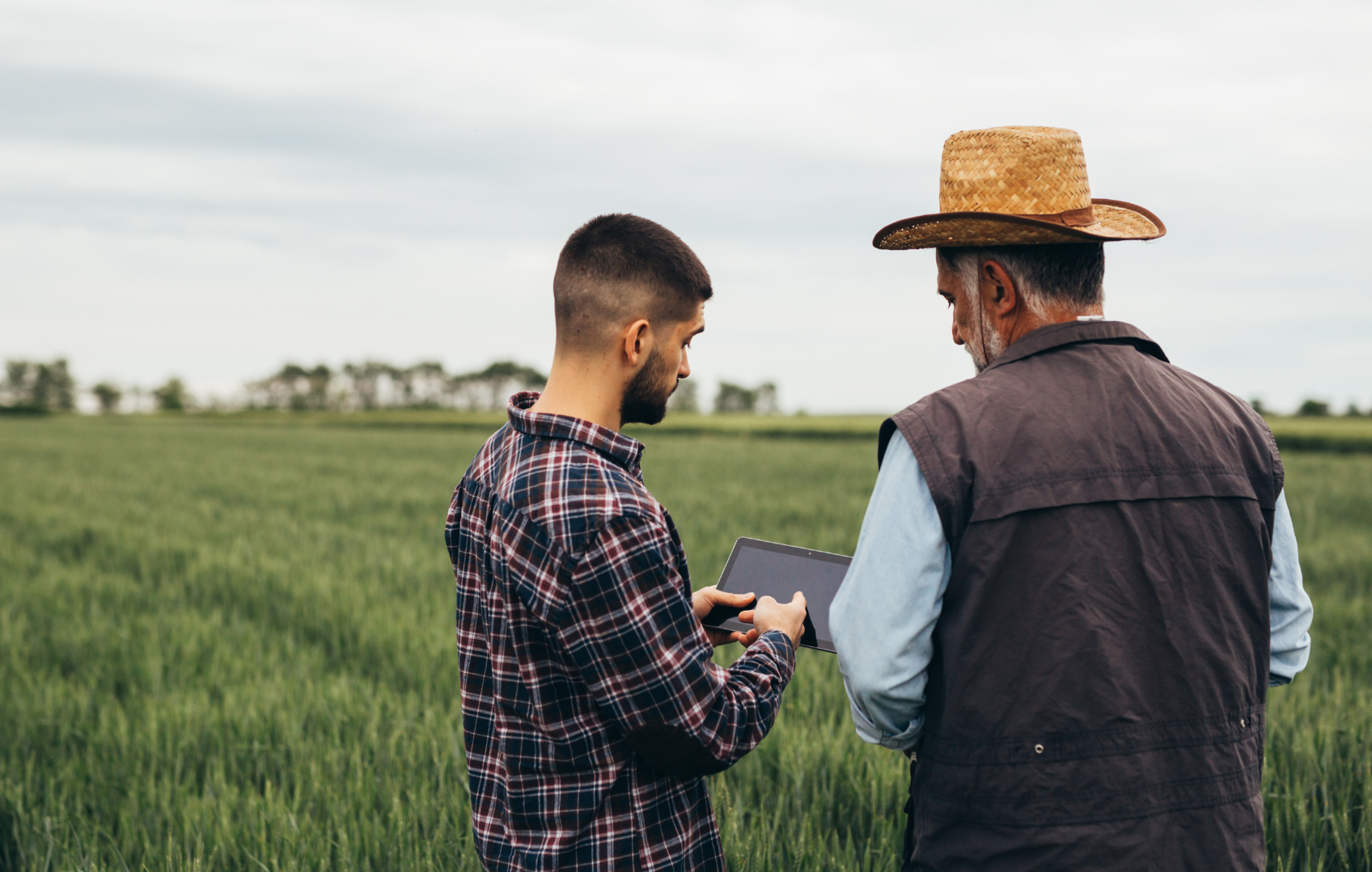
The Regen Ag Dilemma: “We Can’t Explain Our Product Simply”
The Regen Ag Dilemma: “We Can’t Explain Our Product Simply” Natural soil amendments and plant nutrients are more complicated than synthetics, at least at first glance. That is the nature of the beast. But here’s the thing: farmers can understand complex things if you use their language. Let’s look at how to effectively convey the…
-

Regenerative Ag Has a Marketing Problem – Here’s how to Fix It
There are lots of predictions for Agriculture in 2026, and many hope that Regenerative Ag will gain market share. If you only looked at market analysis reports, you would come away with the impression that regenerative agriculture is being fueled by technology and data analytics. You’d also see that Regen Ag is growing by a…
-
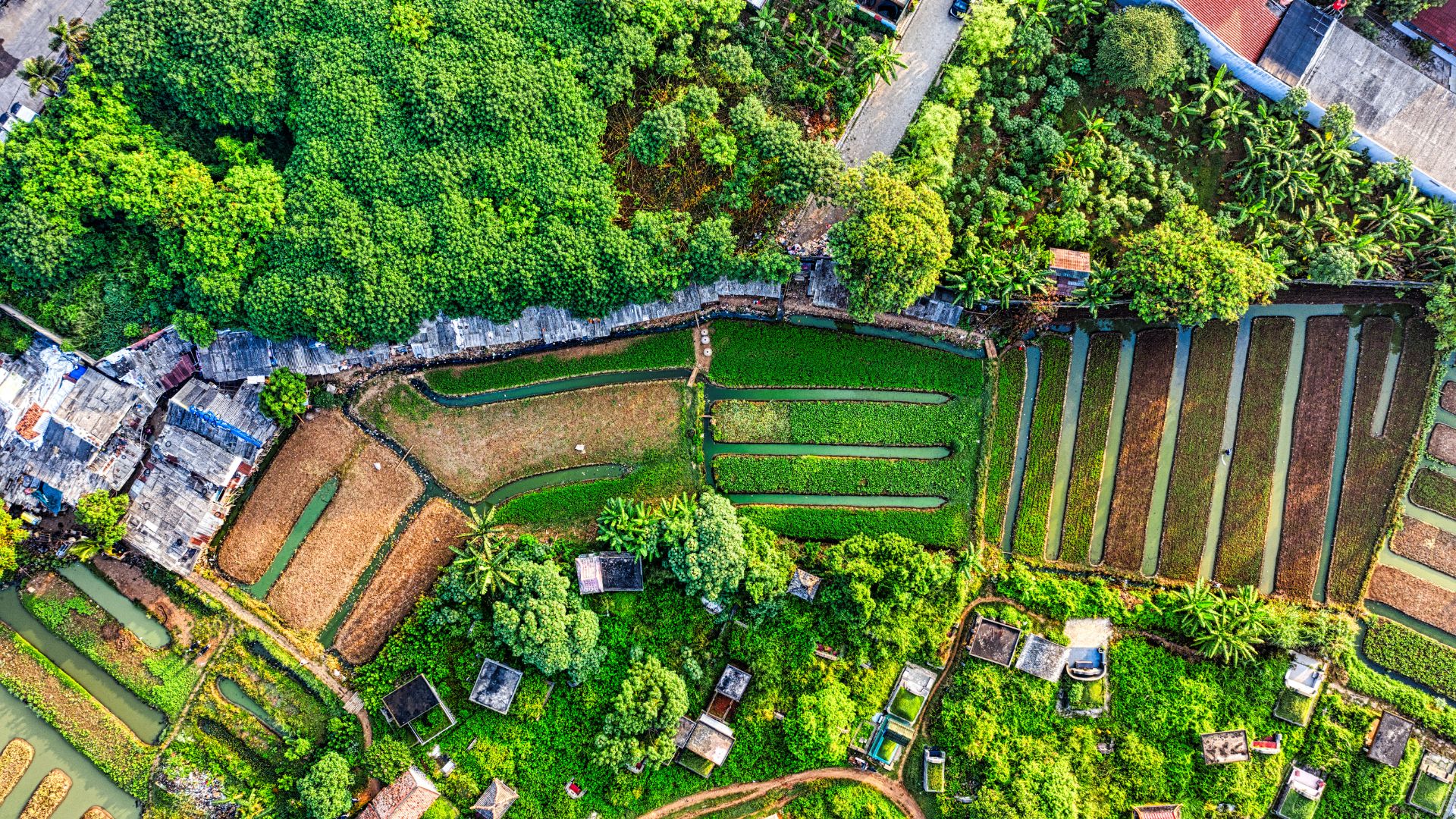
Can Beginning Farmers Buy Farmland in Today’s AG?
Across the United States, beginning farmers are eager to be involved in growing food, raising livestock, and changing their lifestyles. Young people, military veterans, women, and farmers of color are increasingly drawn to agriculture. Not merely as a career, but as a way to restore land, build community, and feed their regions sustainably. The interest…
-

Messaging Insight: Lead With Consumer Desire, Not Detail
Consumer’s Don’t Buy Microbes, They Buy Flavor, Vitality, and Peace of Mind Are you leading with soil science, microbes, and climate when trying to attract customers? If your content speaks more to inputs than outcomes, it might be missing the mark. Ask yourself: Is your messaging tapping into consumer desire—taste, vitality, beauty, peace of mind?…
-

5 Ways to Make Saving the World Profitable
Saving the world from climate extinction and being profitable should go together. Why is it that many people have this notion that doing the right thing should result in lower revenue? Sustainable Business Growth to Reverse Climate Change There are numerous ways to address climate change. Doing it sustainably and incorporating waste management are pivotal…
-
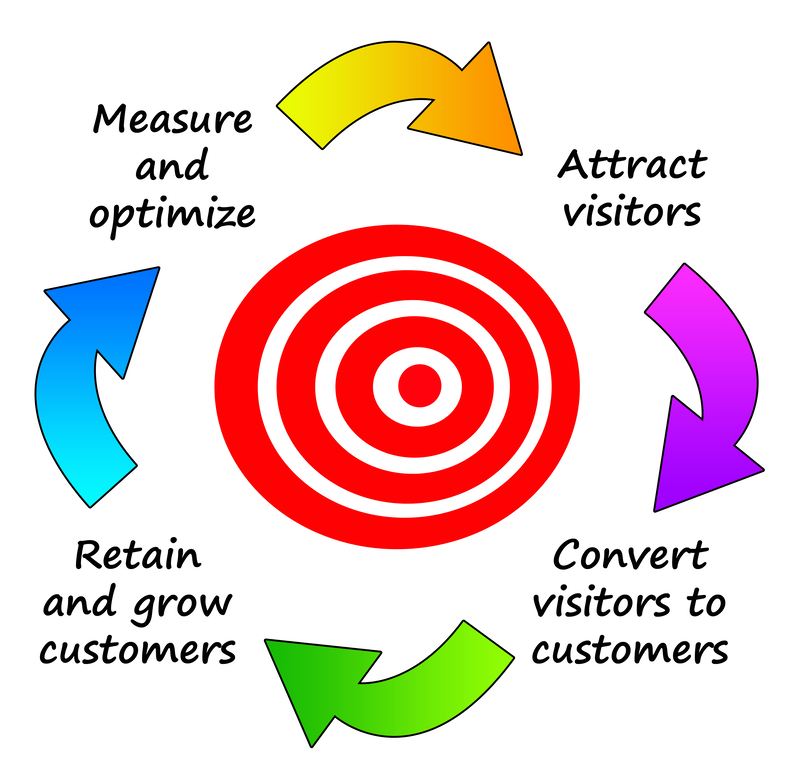
Why Do We Think Social Media is So Great? And Should We?
What is the Conversion Rate of a Follower to a Sales Lead? Are you getting followers but no sales? Are you struggling to even get followers? Let’s look at how social media may (or may not) impact your business. This is a minefield so be prepared.This seems fairly obvious. But when you look at the…
-

It’s All About the Outcome
Market the Outcome, Engage Your Audience This seems fairly obvious. But when you look at the marketing done by most companies interested in regenerating, what are they talking about? How, when. and why their product is better than all the others. Better at what? Better at sequestering carbon? Better at reducing waste? Better at conserving…
Free Resources
Why Great Soil Health Products Don’t Always Sell
Many biochar, biological, and soil amendment companies struggle not because their products lack value, but because they don’t clearly communicate that value to the people who need it most.
This free guide reveals the three critical steps that help customers find your company, understand what makes your solution different, and trust you enough to take the next step.
You know your product works. But buyers can’t choose a solution they don’t understand.
Download your free copy by entering your email below.
Do customers struggle to understand what biochar is and why it matters?
If growers, consultants, buyers, or distributors can’t quickly understand your product, they won’t buy it.
This free infographic helps explain biochar in clear, practical language that supports sales conversations, customer education, and marketing efforts.